

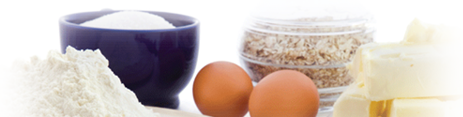
Easy Honey Skillet Cornbread (Moist Homemade Recipe)
Honey skillet cornbread has a tender center, lightly crisp edges and gentle sweetness from honey. Baking in a preheated skillet helps the bottom develop a golden crust. Serve it with soup, beans or chili, or enjoy a warm slice with butter.
Recipe at a glance
Prep: 10 minutes | Bake: 20–25 minutes | Total: 30–35 minutes | Servings: 8 wedges | Equipment: 9-inch oven-safe skillet, two bowls, whisk.
Ingredients
- 1 cup (150 g) yellow cornmeal
- 1 cup (125 g) all-purpose flour
- 1 tablespoon baking powder
- 1/2 teaspoon baking soda
- 1/2 teaspoon fine salt
- 1 cup (240 ml) buttermilk
- 2 large eggs
- 1/4 cup (85 g) honey
- 1/4 cup (57 g) unsalted butter, melted and cooled slightly
- 1 tablespoon butter or neutral oil for the skillet
Allergen note: Contains wheat, eggs and dairy. Do not serve honey-containing foods to children under 12 months.
How to make honey skillet cornbread
- Preheat. Heat the oven to 400°F (200°C). Place a 9-inch cast-iron or oven-safe skillet in the oven while it preheats.
- Combine dry ingredients. Whisk cornmeal, flour, baking powder, baking soda and salt in a large bowl.
- Mix wet ingredients. In another bowl, whisk buttermilk, eggs, honey and melted butter until evenly combined.
- Make batter. Pour wet ingredients into dry ingredients and fold gently just until no dry flour remains. Small lumps are fine; overmixing can make cornbread tough.
- Grease hot skillet. Carefully remove the skillet using oven mitts. Add 1 tablespoon butter or oil and swirl to coat the bottom and sides.
- Bake. Immediately pour batter into the hot skillet. Return to the oven and bake for 20–25 minutes until the top is golden and a toothpick inserted near the center comes out clean or with a few moist crumbs.
- Cool and slice. Rest for 10 minutes before cutting into eight wedges. Handle the skillet carefully because its handle remains hot.
Why bake cornbread in a skillet?
Preheating a heavy skillet gives the batter immediate contact with a hot surface, encouraging a crisp edge while the middle bakes tender. A regular 9-inch baking pan can also work, but its crust may be softer.
Tips for moist cornbread
- Measure cornmeal and flour: Too much dry ingredient can make bread crumbly.
- Do not overmix: Stir only until combined.
- Use buttermilk: Its acidity reacts with baking soda and contributes tenderness.
- Watch the bake time: Overbaking dries the center.
- Rest before slicing: The crumb firms slightly as it cools.
Variations
Less sweet cornbread
Reduce honey to 2 tablespoons. The flavor will be more savory and the texture may differ slightly.
With corn kernels
Fold 1/2 cup drained corn kernels into the batter before baking.
With jalapeño
Add 1 small finely chopped jalapeño, seeds removed for milder heat.
Without cast iron
Use a well-greased 9-inch metal baking pan. Preheating the pan is optional; check doneness from 20 minutes onward.
Serving ideas
Serve with creamy tomato white bean soup or red lentil soup with lemon. For a different homemade bread, try rosemary focaccia.
Storage and reheating
Let cornbread cool fully. Store in an airtight container at room temperature for up to 2 days in a cool, dry environment, or refrigerate for 3–4 days. Freeze wrapped portions for up to 2 months for best quality. Reheat briefly in a 300°F (150°C) oven or microwave until warm.
Frequently asked questions
Can I make cornbread without a skillet?
Yes. A 9-inch metal baking pan works, although the edges may be less crisp.
Can I replace buttermilk?
Mix 1 tablespoon lemon juice with enough milk to make 1 cup and let stand for 5–10 minutes. The flavor and texture may differ from cultured buttermilk.
Why is my cornbread dry?
Overbaking or adding too much flour or cornmeal can dry it out. Measure carefully and check doneness early.
Can I use white cornmeal?
Yes. White cornmeal works but gives a lighter color.
Can I freeze cornbread?
Yes. Cool completely, wrap individual wedges and freeze in a sealed container.
Editorial note
This is original editorial recipe guidance, not a claim of independently kitchen-tested results. Oven temperatures and pan materials vary. Featured photography, if used, is illustrative.
MISC Recipes
- Recent
- Popular
- Random


Chocolate Earl Grey Pots de Creme Recipe
(4.4 / 5)
Goat Cheese and Chorizo Rolls
(4.3 / 5)
-

Colby Jack Cheese: A Creamy, Flavorful Delight
(0 / 5)
